Ingrown Toenail Treatment in Flower Mound, TX
An ingrown toenail may seem minor, but without proper treatment it can quickly become seriously painful and lead to infection. At DFW Foot and Ankle, Dr. Davey Suh provides fast, expert ingrown toenail relief for patients in Flower Mound, TX — including a simple in-office procedure that resolves the problem and helps prevent it from coming back. Call (972) 899-2170 to schedule your appointment.
What Is an Ingrown Toenail?
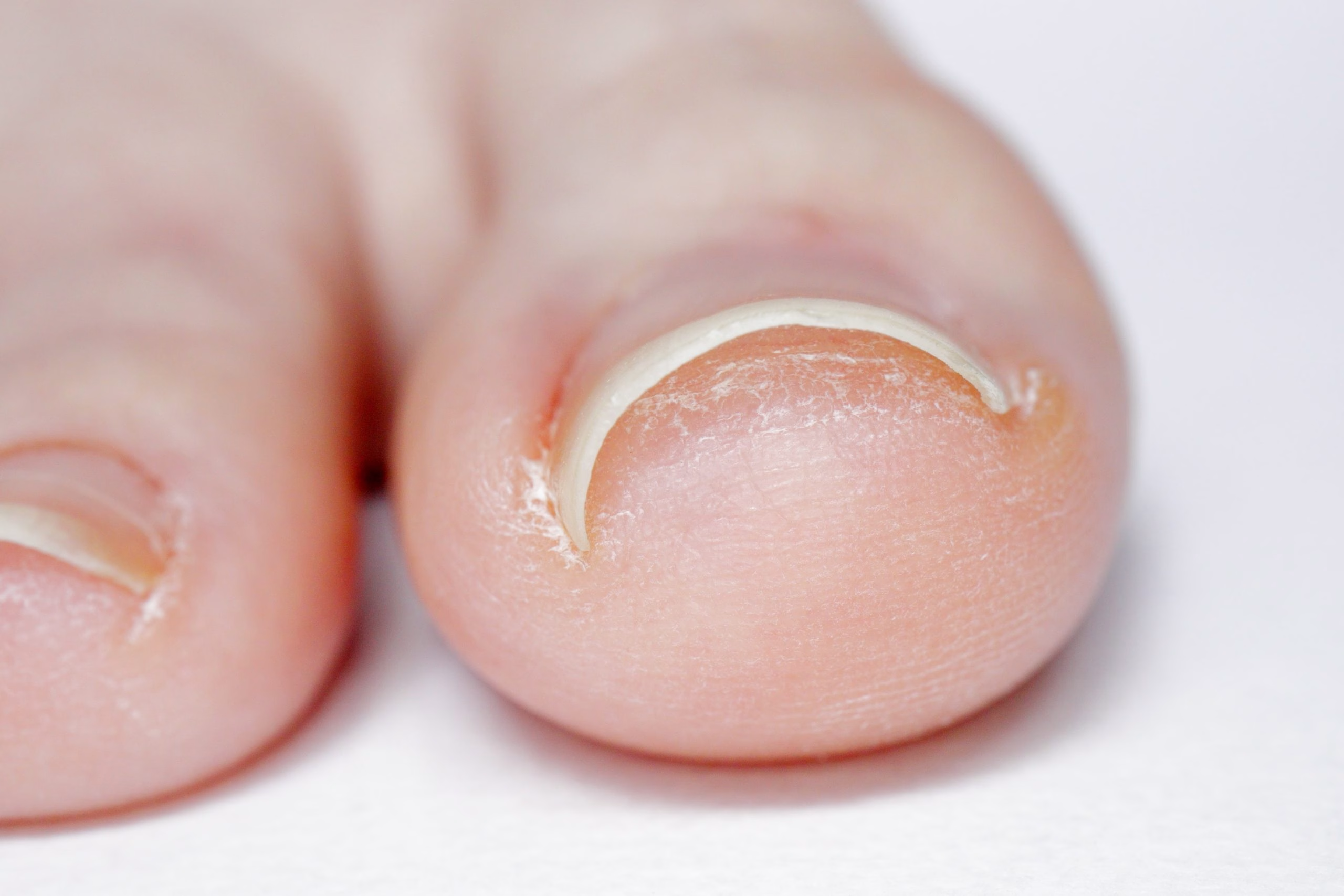
An ingrown toenail occurs when the edge or corner of a toenail — most commonly the big toe — curves downward and grows into the soft skin surrounding it. As the nail digs into the tissue, it causes pain, swelling, redness, and warmth. If left untreated, the area can become infected, making the condition significantly more painful and harder to treat.
In the most severe cases — particularly in patients with diabetes or poor circulation — an untreated ingrown toenail can lead to a serious skin infection, foot ulcer, or even risk of toe amputation. This is why Dr. Suh encourages anyone with an ingrown toenail to seek professional care as soon as possible rather than trying to manage it at home.
Symptoms of an Ingrown Toenail
Ingrown toenails are often easy to identify. Common signs and symptoms include:
- Pain or tenderness along one or both sides of the toenail
- Redness and swelling around the nail edge
- Warmth or heat in the surrounding tissue
- Skin that appears to be growing over the nail edge
- Oozing pus or clear fluid — a sign of infection
- Bright red granulation tissue (new tissue growth) at the corner of the nail
If you notice signs of infection — discharge, increasing warmth, spreading redness, or fever — seek treatment promptly. For patients with diabetes or compromised circulation, any ingrown toenail warrants immediate podiatric attention due to the elevated risk of serious complications.
What Causes Ingrown Toenails?
Ingrown toenails can result from a variety of factors, many of which are preventable:
- Cutting toenails too short or rounding the corners rather than trimming straight across
- Wearing shoes that are too tight, narrow, or that compress the toes
- Toe trauma, such as stubbing a toe or dropping something on the foot
- Repetitive pressure on the toes from athletic activities
- Having naturally curved or wide toenails that are prone to growing into the surrounding skin
Some people are simply more genetically predisposed to ingrown toenails due to the natural shape or size of their nails relative to their toes. For these patients, recurring ingrown toenails are common without a preventive procedure.
How Are Ingrown Toenails Treated at DFW Foot and Ankle?
Dr. Suh provides quick, effective ingrown toenail treatment right in the office. The procedure is performed under a local anesthetic so you remain comfortable throughout. Dr. Suh will carefully remove the ingrown portion of the nail, then treat the nail matrix — the area where the nail grows — to prevent the problem from recurring in the same spot. The procedure is simple, fast, and most patients experience significant relief almost immediately.
For patients with chronic or recurrent ingrown toenails, a more definitive procedure known as a partial nail avulsion with chemical matrixectomy may be recommended. This involves removing a narrow strip of the nail along the affected edge and applying a chemical to permanently prevent that portion of the nail from regrowing — eliminating the ingrown toenail for good.
Preventing Ingrown Toenails
You can reduce your risk of ingrown toenails with a few simple habits: always trim your toenails straight across — never curve the corners — and keep them at a moderate length so they don’t extend past the end of your toe. Wear shoes that fit properly with enough room in the toe box, and protect your feet during activities where toes are at risk of trauma. If you have diabetes, include daily foot inspections as part of your routine and contact DFW Foot and Ankle at (972) 899-2170 at the first sign of any nail or skin issue.
Ingrown Toenail FAQs
Can I treat an ingrown toenail at home?
Mild cases may be managed at home by soaking the foot in warm water and gently massaging the skin away from the nail edge. However, attempting to cut out the ingrown portion yourself — sometimes called “bathroom surgery” — can cause injury and significantly increase the risk of infection. Professional treatment is safer, faster, and more effective, especially for moderate or severe cases.
Is ingrown toenail treatment painful?
Dr. Suh uses a local anesthetic before performing any procedure, so you should feel very little discomfort during the treatment itself. Some mild soreness in the days following the procedure is normal and usually manageable with over-the-counter pain relievers.
How long does it take to recover from ingrown toenail treatment?
Most patients recover quickly after an ingrown toenail procedure. The toe is typically healed within 1 to 2 weeks. Dr. Suh will provide aftercare instructions to keep the area clean and promote healing.
Will my ingrown toenail come back after treatment?
A standard nail trimming procedure may allow the ingrown toenail to recur if the underlying nail shape causes continued inward growth. A permanent procedure — partial nail avulsion with chemical matrixectomy — removes the problematic nail edge permanently and is highly effective at preventing recurrence.
When should I see a doctor for an ingrown toenail?
You should see a podiatrist if your ingrown toenail is causing significant pain, if the area appears infected (discharge, spreading redness, swelling), if you have diabetes or poor circulation, or if you’ve had recurring ingrown toenails. Don’t wait — early treatment prevents complications and provides faster relief.
Can an ingrown toenail cause a serious infection?
Yes. Left untreated, an ingrown toenail can develop into a bacterial infection that spreads to the surrounding skin and deeper tissues. In patients with diabetes, poor circulation, or a compromised immune system, this can escalate into a serious condition requiring aggressive treatment. Prompt care is essential.
How can I prevent ingrown toenails?
Trim your toenails straight across rather than in a curved shape, keep nails at a moderate length, wear properly fitting shoes with adequate toe room, and protect your feet during activities that put your toes at risk of trauma. If you’re prone to ingrown toenails, Dr. Suh can advise you on the best preventive strategies for your specific situation.