Toenail Fungus Treatment in Flower Mound, TX
Toenail fungus is one of the most common nail conditions, yet it rarely clears up on its own. At DFW Foot and Ankle, Dr. Davey Suh provides effective, professional treatment for toenail fungus — also known as onychomycosis — to help restore healthy, clear nails. If you’ve noticed changes in the color, texture, or thickness of your toenails, don’t wait. Call (972) 899-2170 to schedule an appointment today.
What Is Toenail Fungus?
Toenail fungus, medically referred to as onychomycosis, is a fungal infection that invades one or more toenails. It’s more common than most people realize — approximately 10% of all adults are affected, and that number rises to nearly 50% among people over age 70. When the same type of fungus spreads to the surrounding skin, it’s known as athlete’s foot.
Fungal infections thrive in warm, dark, and moist environments. The most common way to contract toenail fungus is by walking barefoot in areas like public showers, locker rooms, pool decks, and saunas. You can also pick it up from contaminated nail tools or by wearing tight, poorly ventilated shoes.
Symptoms of Toenail Fungus
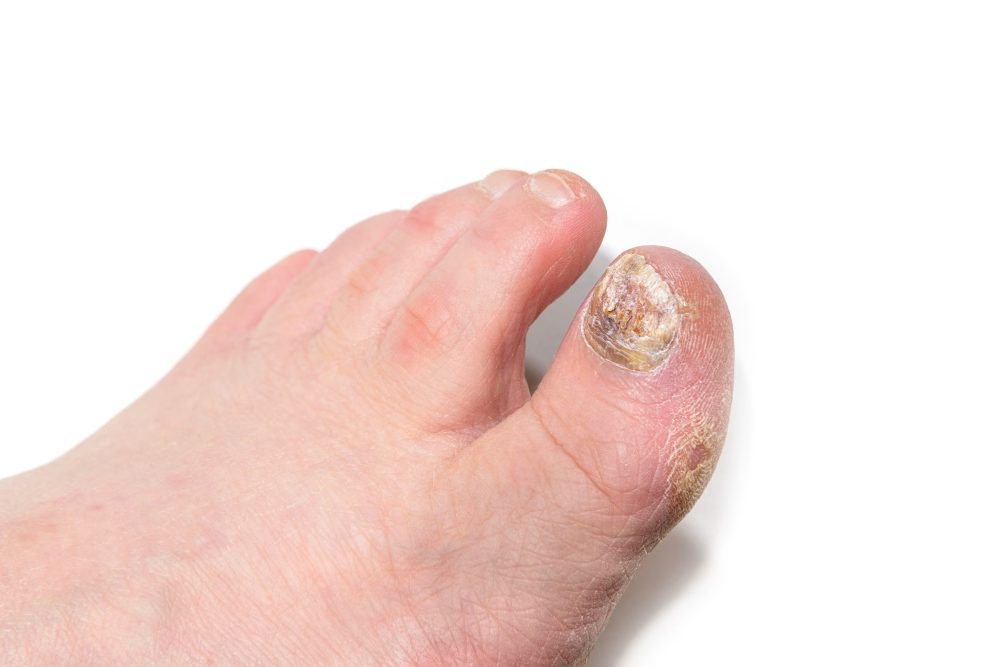
Toenail fungus usually starts in one nail and can spread to others if left untreated. Common signs and symptoms include:
- Discoloration — nails may turn white, yellow, brown, or dark
- Thickening or distortion of the nail
- Crumbling or brittle nail edges
- Partial or full separation of the nail from the nail bed
- A foul odor coming from the affected nail
- Debris buildup under the nail
If you notice any of these symptoms, it’s important to seek professional evaluation. Over-the-counter treatments are often too weak to eliminate a true fungal nail infection, and delaying treatment gives the infection more time to spread.
Who Is at Risk for Toenail Fungus?
While anyone can develop toenail fungus, certain factors increase your risk. These include older age, having diabetes, poor circulation, a weakened immune system, a history of athlete’s foot, walking barefoot in communal areas, and wearing tight or non-breathable footwear. If you have diabetes, toenail fungus poses a particular concern — it can quickly develop into a more serious infection. Patients with diabetes should seek diabetic foot care at DFW Foot and Ankle promptly if they notice any nail changes.
How Is Toenail Fungus Diagnosed?
Dr. Suh can often identify toenail fungus through a thorough foot examination. In some cases, he may take a small clipping or scraping from the affected nail for laboratory testing to identify the exact fungal strain involved. This helps ensure your treatment is precisely targeted, especially for stubborn or recurring infections.
Toenail Fungus Treatment at DFW Foot and Ankle
Treatment for toenail fungus depends on the severity of the infection and your overall health. Dr. Suh may recommend one or more of the following approaches:
- Prescription topical antifungal creams applied directly to the nail and surrounding skin
- Antifungal nail lacquer (medicated nail polish) that penetrates the nail plate
- Oral antifungal medications for more persistent or widespread infections
- Nail debridement — trimming and thinning the infected nail to improve medication absorption
Dr. Suh will also counsel you on prevention strategies to reduce the risk of reinfection, such as keeping feet clean and dry, wearing moisture-wicking socks, using antifungal powder in shoes, and always wearing sandals in shared wet areas.
When Should I See a Podiatrist for Toenail Fungus?
You should seek professional treatment as soon as you notice signs of toenail fungus. The earlier the infection is caught, the easier it is to treat. Toenail fungus rarely resolves on its own and is prone to spreading to adjacent nails and skin. For patients with diabetes or compromised circulation, prompt treatment is especially important to prevent complications. Contact DFW Foot and Ankle in Flower Mound, TX at (972) 899-2170 to get started.
Toenail Fungus FAQs
What is the most effective treatment for toenail fungus?
The most effective treatment depends on the severity of the infection. Oral antifungal medications tend to have the highest success rates for stubborn cases, while topical treatments and nail lacquers work well for mild to moderate infections. Dr. Suh will recommend the best approach after evaluating your nails.
Can toenail fungus spread to other toenails or to other people?
Yes. Toenail fungus can easily spread to other nails on the same foot, and it can also be transmitted to family members through shared surfaces, towels, or nail tools. Prompt treatment and good hygiene practices help prevent spread.
How long does toenail fungus treatment take?
Treatment can take several months because toenails grow slowly. Even after the infection clears, a fully healthy nail may take 6–12 months to grow out completely. Consistency with your prescribed treatment plan is essential for success.
Will my toenail look normal again after treatment?
In most cases, yes — once the infection is fully cleared, the new nail that grows in will be healthy and clear. However, if the nail bed was significantly damaged, there may be some lasting changes to the nail’s appearance.
Are over-the-counter toenail fungus treatments effective?
Over-the-counter treatments are generally too weak to fully eliminate a fungal nail infection. They may reduce symptoms temporarily but rarely eradicate the fungus. Prescription treatments from a podiatrist are significantly more effective.
Can toenail fungus be prevented?
Yes. You can reduce your risk by keeping feet clean and dry, trimming nails straight across, wearing moisture-wicking socks, wearing sandals in public showers and locker rooms, and avoiding tight or poorly ventilated footwear. Dr. Suh can provide personalized prevention advice during your visit.
Is toenail fungus dangerous if left untreated?
For most people, untreated toenail fungus will continue to worsen and spread. For individuals with diabetes, poor circulation, or a weakened immune system, it can lead to more serious complications, including skin infections and ulcers. Early treatment is always the safest approach.